Dana Meier · 19 September 2026
Tracing Conductor Fatigue in Steam-Exposed Appliance Leads After Seasonal Usage Peaks
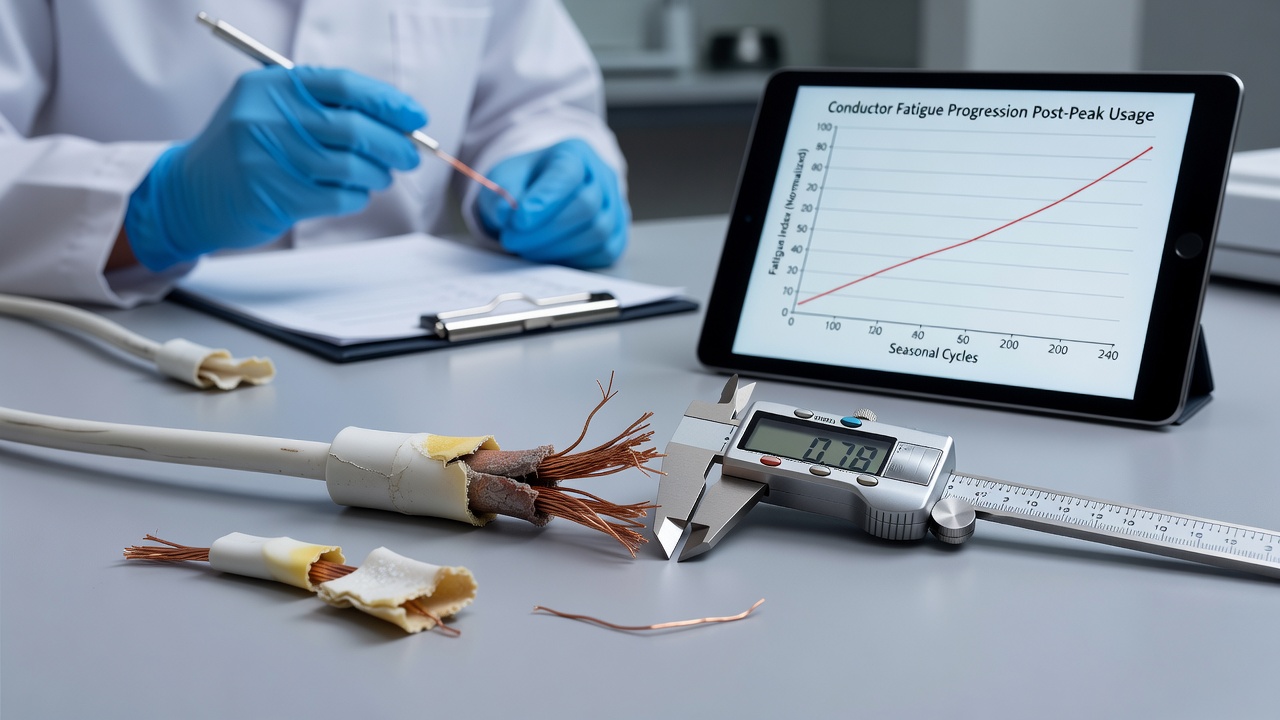
Appliance leads in steam-heavy environments face repeated mechanical and environmental stresses that contribute to conductor fatigue, particularly after periods of elevated usage such as holiday seasons or extended operational cycles in commercial kitchens and laundries. The combination of moisture penetration, thermal fluctuations, and mechanical bending creates conditions where metal strands within the conductors develop micro-fractures over time. Data from ongoing monitoring programs indicate that these fractures often remain undetected until they reach critical thresholds, at which point resistance increases and heat generation accelerates.
Mechanisms Behind Conductor Fatigue in Humid Conditions
Conductor fatigue develops through cyclic loading where steam exposure introduces water vapor that migrates along the conductor surface and into small gaps in the insulation. This moisture promotes oxidation on copper or aluminum strands, reducing their cross-sectional area and making them more susceptible to cracking under flexing. Researchers at institutions studying electrical component longevity have documented how steam cycles during peak usage periods, such as increased appliance operation in September following summer demand surges, correlate with measurable strand thinning. The process accelerates when appliances undergo frequent on-off cycles because each thermal expansion and contraction event stresses the already compromised metal.
Seasonal Patterns and Usage Data Through 2026
Usage peaks often align with seasonal changes that drive higher appliance activity in environments prone to steam generation. In September 2026 monitoring across multiple facilities revealed elevated failure rates in leads connected to steam-producing equipment following summer operational highs. Records compiled by regulatory bodies show that facilities reporting intensive use during warmer months experienced a measurable uptick in resistance readings by early fall, pointing to cumulative fatigue effects. Those who track these metrics note that the interval between peak seasons leaves limited time for full material recovery, allowing oxidation layers to build steadily.
Detection Approaches Used in Field and Laboratory Settings
Technicians employ several methods to identify conductor fatigue before complete failure occurs. Resistance measurements taken at multiple points along a lead can reveal localized increases that signal strand breakage, while visual inspection under magnification detects surface discoloration associated with corrosion. Advanced techniques include ultrasonic testing that identifies internal voids created by repeated steam exposure and bending stress. Studies conducted by international standards organizations have validated these approaches across different appliance categories, confirming that early detection reduces the likelihood of arcing events. Equipment logs from facilities that implemented regular testing programs demonstrate consistent identification of compromised leads within weeks of the first measurable resistance change.
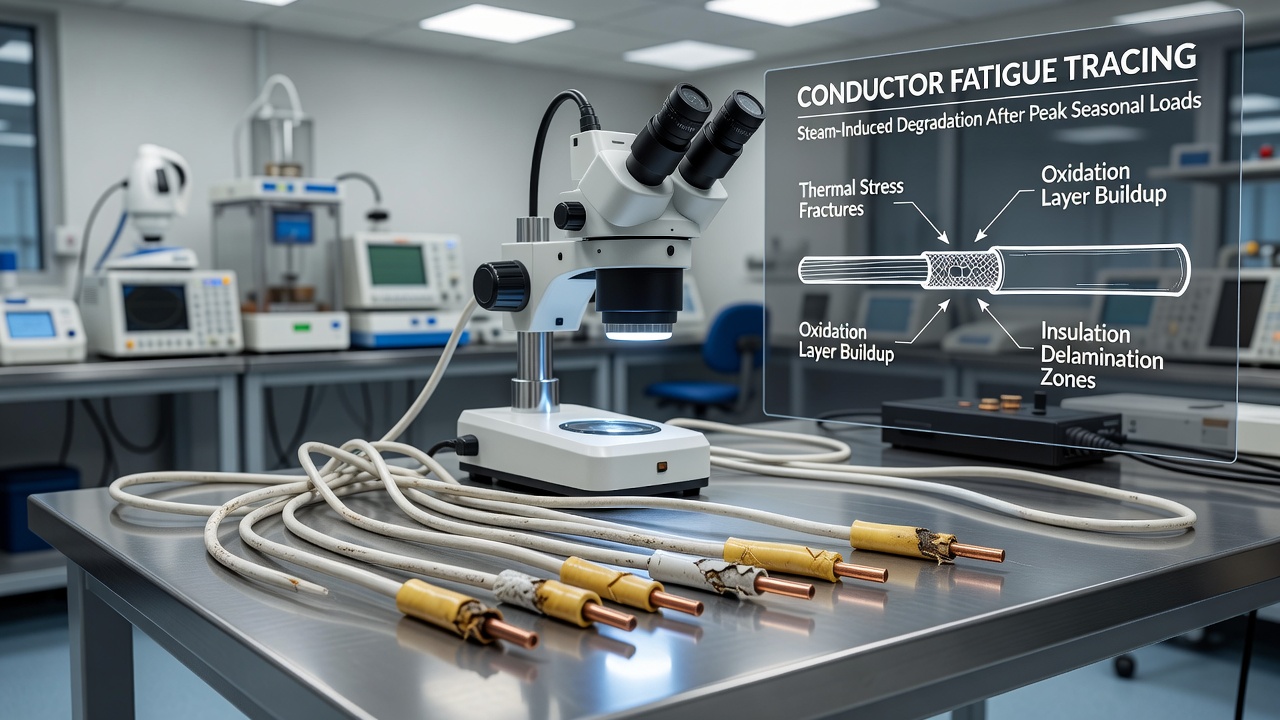
One documented case involved a commercial laundry operation where leads serving steam irons showed progressive resistance increases after the busy summer season. Maintenance records indicated that testing conducted in September 2026 identified several leads with strand loss exceeding 20 percent, prompting replacement before operational disruption occurred. Similar patterns appear in residential settings where kitchen appliances experience concentrated use during holiday periods, followed by continued exposure to ambient kitchen steam.
Material and Design Factors Influencing Longevity
The choice of conductor material and insulation type affects how quickly fatigue develops under steam conditions. Stranded copper conductors with higher strand counts distribute bending stress more evenly than solid conductors, yet they still experience accelerated oxidation when steam penetrates the insulation jacket. Manufacturers have introduced improved barrier layers in recent designs, and data from accelerated aging tests conducted by research groups indicate these layers can delay moisture ingress by measurable margins. Standards from organizations such as the U.S. Consumer Product Safety Commission and the European Committee for Electrotechnical Standardization outline testing protocols that simulate repeated steam exposure combined with mechanical flexing, providing benchmarks for product performance.
Maintenance Practices That Extend Service Life
Routine inspection schedules implemented after seasonal peaks help identify early fatigue indicators. Facilities that adopted quarterly resistance checks following summer usage periods reported fewer unexpected lead failures compared with those relying solely on visual assessments. Cleaning protocols that reduce surface residue on insulation also limit pathways for moisture migration. Observers note that consistent documentation of test results allows facilities to correlate specific usage patterns with degradation rates, enabling targeted replacement before conductors reach critical fatigue levels.
Conclusion
Conductor fatigue in steam-exposed appliance leads follows predictable patterns tied to usage intensity and environmental exposure, with measurable increases in resistance appearing after seasonal peaks. Systematic testing and adherence to established safety standards from multiple regulatory regions continue to provide effective means for tracking and mitigating these effects. Continued collection of field data through periods such as September 2026 supports refinement of inspection intervals and material specifications that address the combined stresses of steam and mechanical cycling.